Parking in Richmond for the MCG works well if you treat the car, the walk and the keys as one plan. Park legally in a side street, note exactly where you left the car, and keep the key somewhere it cannot fall out. Then walk across to the stadium and enjoy the game.
The weak point is the trip back. Tens of thousands of people leave at once, phones are low on charge, and the car is a dark street away. A dropped key, a remote that dies in the cold, or keys locked inside the car can turn a short walk into a long night. Most of these problems are preventable, and the rest are fixable on the spot.
The fix is usually closer than a tow truck. Modern car keys carry a chip that has to be programmed to the car, but a mobile vehicle locksmith can cut and program a replacement at the kerb. Before you leave home, it pays to save the number of a mobile locksmith Richmond drivers can call out to the street where the car is parked, so you are not searching on a flat phone at 11pm. Everything below is about making sure you never need that number.
Why Richmond Is the Natural Place to Park for the MCG and AAMI Park
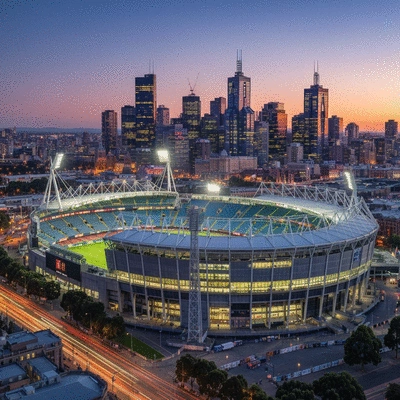
Richmond sits right next to the stadium precinct. The Melbourne Cricket Ground says the walk from Richmond Station is about 850 metres, passing Punt Road Oval and crossing Yarra Park to the Shane Warne Stand. Park a few streets south of the station and you are looking at a comfortable stroll, not a hike.
Parking at the ground itself is a different story. The MCG states that car parking is extremely limited at the MCG on event days and strongly encourages public transport. Yarra Park parking is on grass, some spots sit up to 300 metres from the concourse, and for some events it is reserved for Australian Disability Parking permit holders who pre-book. For several AFL fixtures, clubs have advised fans that no general public parking is available there at all.
AAMI Park has its own car park. The Eastern Plaza Car Park at Entrance D on Olympic Boulevard is the official option, and the venue strongly recommends pre-booking, with bookings closing at midnight the night before. If you miss that window, Richmond is again the obvious fallback. Tram route 70 runs from Richmond and stops right outside the stadium at Stop 7D.
So a lot of drivers end up in the same few hundred Richmond side streets around Swan Street, Bridge Road and Punt Road. That is exactly why the street you choose, and the sign on the pole beside it, matter so much. If you are deciding whether to drive at all, our transport tips for RWC Melbourne compare the train, tram and car options side by side.
How to Read Richmond Parking Signs on a Game Night
Richmond is in the City of Yarra, and the council is clear: you must obey street parking restrictions and pay where payment is required. Time limits only apply during the hours shown on the sign. Outside those hours you can park without restriction, unless another sign says otherwise.
That last clause is the trap on game nights. Many Richmond signs combine a daytime limit with a resident permit zone. The council gives an example on its page about where and how to park legally: a sign showing 2P from 7am to 7pm on weekdays, with a permit zone at all other times and on public holidays. Park there at 6pm for a 7:30pm bounce and you are legal for one hour. After 7pm, the street becomes permit only.
A few rules keep you clear of fines and tow trucks:
- Read the whole sign, top to bottom. Days, times, public holidays and permit zones can all sit on one pole.
- Check both ends of the block. Restrictions can change halfway along a street.
- Work out the latest time you will be back. A night match plus a slow exit can put you at the car close to midnight.
- Pay in paid areas. Shopping strips such as Swan Street and Bridge Road often have paid bays. Yarra accepts payment through the PayStay app or at the meter.
- Never park in a loading zone or across a driveway. A towed car is far harder to recover than a lost key.
Residents with permits are not guaranteed a space either, so expect the closest streets to fill first. Arriving early and walking an extra five minutes is often the difference between a legal park and a ticket.
Before You Leave Home: The Car Key Check
Key problems on game day usually start at home, with a spare nobody has tested. Spend a few minutes on these checks before you set off.
Test the spare key. Try it on the doors and in the ignition, or press start with it if you have a push-button car. A spare that sat in a drawer for years may have a flat battery, or it may never have been programmed to the car at all.
Split the keys between two people. If two of you are going, the second person carries the spare. Lose one key and you lose a few minutes, not the whole evening.
Replace a tired remote battery. Most remotes and proximity keys run on a small coin cell. Cold nights reduce what these batteries can deliver, and a remote that has been patchy for weeks often picks a cold night to stop working. A new battery from the supermarket is cheap insurance.
Know which kind of key you have. It changes what happens if it goes missing:
- Basic blade key: an older car with a metal key and no chip. Simple to cut.
- Transponder key: most cars built since the late 1990s have a chip in the head of the key. The engine immobiliser will not let the car start unless it recognises that chip.
- Remote or flip key: a transponder key with lock and unlock buttons built in.
- Proximity or smart key: the key stays in your pocket and the car unlocks or starts when it is nearby.
Anything beyond a basic blade needs cutting and programming, so a replacement is a job for a vehicle specialist rather than a hardware store.
Carry proof that the car is yours. A legitimate locksmith will ask for proof of ownership before making a key. Keep a photo of your registration certificate and licence on your phone, and note the vehicle identification number (VIN).
Our Melbourne 2027 match day essentials list covers what to pack for the stadium itself, so you can tick off the bag and the car in one go.
When You Park: Five Habits That Save the Night
The minute you step out of the car is the most valuable minute of the evening. Do these five things before you join the crowd.
- Drop a pin on your phone map. Richmond side streets look alike in the dark, and many fans walk back by a different route.
- Photograph the street sign and the parking sign. The first helps you find the car. The second is your record if a ticket arrives later.
- Lock with the remote, then pull the handle. In a busy street, a remote press can fail to register. The handle check takes a second.
- Look through the window before you walk off. Keys on the passenger seat or in the cup holder are a common way to get locked out.
- Zip the key into a pocket. Avoid jacket pockets you might take off in the stands, and do not clip keys to the outside of a bag.
If you drive in from further out and plan around a fixed parking spot, our guide to driving to a major Melbourne sporting event from the eastern suburbs covers the journey in. The habits here are about what happens once you are in Richmond itself.
The Walk Back After the Final Siren
The walk back to a Richmond side street is where small problems grow. Plan it before the match, not after.
Expect road closures around the ground. The MCG closes Barassi Way to through traffic before events and for about an hour after they finish, so pedestrians can move safely between the stadium and Richmond Station. That helps walkers, but it also means traffic around the precinct is slow for a while after the game.
Choose a meeting point that is not the car. Mobile networks often slow down when a full stadium empties at once. "Meet at the car" fails when the person with the key is stuck in a queue or on the other side of Punt Road. Pick a specific corner, a shopfront on Swan Street or the Richmond Station entrance, and agree on it before kick-off.
Keep enough battery for the pin. Turn on low power mode at half time. A dead phone means no map pin, no photos and no way to call for help.
Walk with the crowd, then peel off. The main pedestrian flow heads to Richmond and Jolimont stations. Stay with it through Yarra Park, which is well lit and busy, then turn into the side streets once you reach Punt Road or Swan Street.
Let the traffic clear before you drive. If the streets are jammed, a meal on Swan Street or Bridge Road while the crowd thins is often faster than sitting in the queue. Our guide on navigating Melbourne's transport for rugby has more on getting home once the precinct empties.
What to Do If the Car Key Goes Missing
If you reach the car and the key is gone, slow down. Panic leads to smashed windows and expensive mistakes.
Retrace your steps first. Ask at the gate you entered while staff are still on site. The MCG also runs a lost and found service with an online claim form, so lodge a claim that night with your seat section and the event details.
Check whether the key is locked inside. If you can see it through the glass, do not break a window. A broken window means a repair bill, a car you cannot secure overnight and glass through the cabin. Opening a locked car without damage is routine work for a vehicle locksmith.
Gather your details before you call. Have the make, model and year, the exact street location from your map pin, and your proof of ownership ready. Say whether you have lost every key or still have a spare at home, because that changes the job.
Think twice before leaving the car overnight. A car with a missing key is more exposed on a busy street, and a permit zone or morning clearway can mean a ticket or a tow by breakfast. If you do have to leave it, check the sign for the next morning's restrictions.
Ask about the lost key. If the key may have been stolen rather than dropped, ask the locksmith about removing it from the car's immobiliser memory so it can no longer start the car.
A Quick Game Day Checklist for Drivers
Save this list on your phone and run through it before you leave:
- Spare key tested and carried by a second person
- Remote battery replaced if it has been unreliable
- Registration, licence and VIN saved as photos
- Parking sign read in full, including the permit zone hours
- Map pin dropped and street sign photographed
- Car locked, handle checked, keys not left on a seat
- Key zipped into a pocket for the whole game
- Meeting point agreed that is not the car
- Phone on low power mode from half time
- A mobile vehicle locksmith's number saved, just in case
Getting the Night to End at the Scoreboard
A good game day comes down to a few decisions made before kick-off: a legal park on a street you can find again, a tested spare in a second pocket and a meeting point that does not depend on phones. Get those right and the walk from the stadium back to Richmond is just the end of a good night out. If you have a Richmond parking tip of your own or a question about a match coming up, tell the RWC Melbourne Guide team about it here and we will look at adding it to our match day guides.